

Every spring, college move-out overwhelms students, families, and campus operations at the same time. Finals week ends, housing contracts expire, and thousands of students try to pack, transport, and store belongings within days. Because most campuses design housing turnover for efficiency, not logistics, stress spikes quickly. As a result, students scramble, parents step in remotely, and local storage options fill up.
When universities treat move-out as an operational footnote, friction grows. However, when campuses design systems around how students actually move, outcomes improve. Therefore, universities that rethink timelines, storage access, and communication can reduce chaos and create a better end-of-year experience for everyone involved. For a clear overview of how the campus move-out process typically unfolds, see https://www.movana.ai/college-move-out.
Why Current College Move-Out Systems Break Down
First, demand concentrates into a short window. Because finals and housing deadlines overlap, thousands of students leave at once. Consequently, parking bottlenecks form, elevators queue, and storage fills. Moreover, students make decisions under time pressure. Therefore, they accept inconvenient locations and unclear pricing.
Second, storage options rarely align with academic calendars. Traditional storage providers optimize for steady demand, not seasonal surges. As a result, availability tightens precisely when students need it most. According to student-focused analysis on storage during semester transitions, traditional services were not designed around academic timelines or mass dorm move-outs (https://www.storagescholars.com/blog/leaving-campus-but-not-your-stuff-heres-the-solution). Consequently, friction repeats every spring.
Third, communication arrives too late. Although housing teams publish deadlines, students often learn about loading zones, elevator schedules, and parking restrictions after finals start. Therefore, planning compresses into days instead of weeks. Because of that compression, small delays cascade into missed windows and higher stress.

Practical Steps Universities Can Take
Align Move-Out Timelines with Academic Calendars
First, universities can stagger move-out windows by residence hall or floor. When campuses spread departures across multiple days, congestion drops. Moreover, when teams align move-out access with exam schedules, students avoid choosing between studying and packing. As a result, organization improves.
Operational guidance for student housing logistics shows how timing and coordination reduce congestion during dorm transitions. Therefore, campuses that align housing timelines with academic calendars lower elevator queues and parking conflicts. Additionally, early scheduling enables families to plan travel more effectively. Consequently, move-out becomes predictable rather than frantic.

Provide Centralized Storage Solutions
Next, universities can partner with storage providers or offer on-campus summer storage for short-term needs. When campuses provide a centralized option, students avoid last-minute searches across town. Moreover, centralized storage allows coordinated drop-off windows that match dorm access hours. Therefore, throughput increases and queues shrink.
Student perspectives show that limited access to storage increases anxiety, especially for out-of-state and international students. Because these students face travel constraints, centralized solutions remove friction. Furthermore, when campuses provide clear storage options, families avoid paying for unnecessary months. As a result, costs fall and satisfaction rises.
Communicate Early and Clearly with Students
Finally, universities can communicate move-out logistics weeks before finals begin. When campuses publish elevator schedules, parking maps, and loading windows early, students plan packing in stages. Consequently, boxes get labeled, trips get scheduled, and peak congestion eases.
Moreover, proactive communication helps parents coordinate support. Therefore, families arrive with realistic expectations. In addition, early reminders nudge students to inventory belongings. As a result, retrieval becomes easier months later. Although communication alone cannot fix structural constraints, it prevents surprises that cause stress.
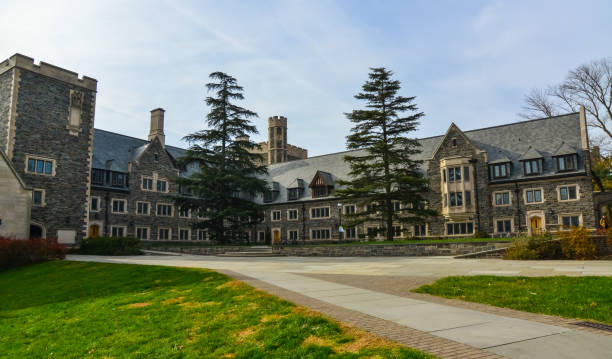
Campus-Specific Opportunities for New Jersey Universities
Rutgers University Move-Out Improvements
Rutgers college move-out brings scale challenges across multiple campuses. Because thousands of students leave within days, Rutgers can reduce congestion by staggering windows by residence hall and expanding temporary loading zones during peak hours. When Rutgers publishes parking maps and elevator schedules before finals, students distribute departures more evenly. For campus-specific context, see https://www.movana.ai/rutgers-university-move-out.
Princeton University Move-Out Enhancements
Princeton’s smaller scale still faces timing pressure, especially for international travel. Therefore, Princeton can extend short-term on-campus storage windows and align access with exam schedules. Moreover, when Princeton coordinates with nearby storage partners, students avoid off-campus travel during peak days. For logistics context, see https://www.movana.ai/princeton-university-move-out.
Montclair State, Rowan University, and TCNJ Move-Out Recommendations
Across Montclair State, Rowan University, and TCNJ, campuses can standardize early communications and expand temporary loading zones during finals week. Additionally, campuses can pilot centralized summer storage options for short stays. When these universities coordinate housing access with traffic controls, congestion drops. For a comparative look at campus constraints, see https://www.movana.ai/rowan-vs-montclair-state-move-out-logistics.
How Better Systems Reduce Stress for Students and Families
When universities align timelines, provide centralized storage, and communicate early, stress falls quickly. First, students pack in stages instead of overnight. Consequently, boxes get labeled and organized. Next, families schedule support without racing against elevator queues. As a result, departures become smoother.
Better systems also improve visibility into student belongings. When students track what they store, retrieval becomes straightforward months later. Therefore, repurchasing drops and frustration fades. Moreover, coordinated access windows reduce traffic and safety risks around residence halls. Because fewer vehicles idle in loading zones, campuses maintain safer flows during peak days.
Finally, predictable systems build trust. When students know what to expect, they plan. When families know where to go, they help effectively. As a result, the end of the academic year feels organized instead of chaotic.
Why College Move-Out Needs Systems, Not Just Space
Space alone does not solve college move-out. Systems do. Because thousands of students move at once, campuses must design for timing, access, and visibility. Therefore, universities that treat move-out as a logistics program—not just a housing turnover—deliver better outcomes.
When campuses align calendars, centralize short-term storage, and communicate early, congestion drops. Consequently, stress falls. Moreover, when students track belongings, retrieval improves. As a result, college move-out becomes predictable rather than painful. Until campuses adopt these systems, spring move-out will remain a yearly scramble.

