
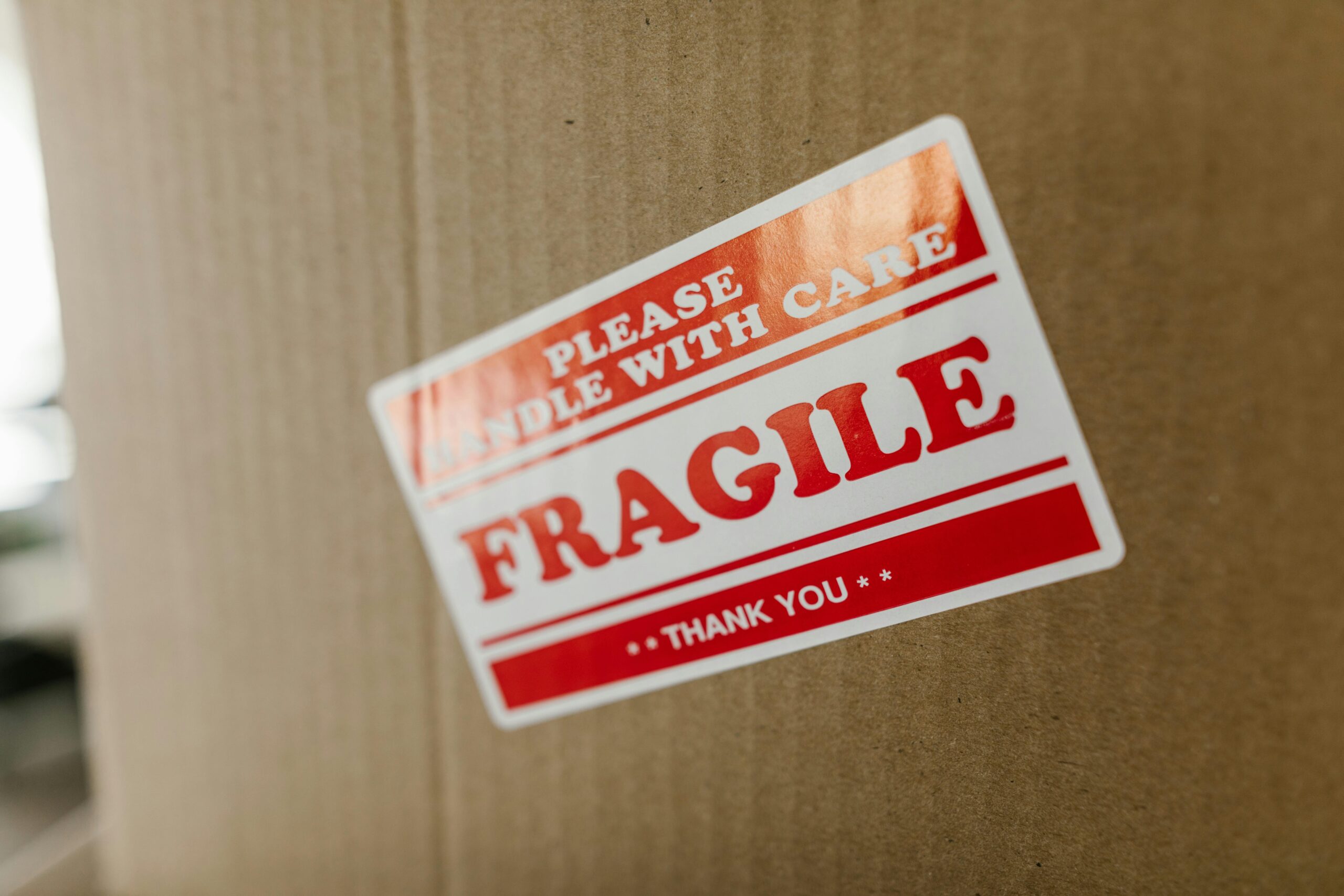
Introduction
If you’re planning a move, one of the key things you need to know is what items will movers not move. You don’t want to load up a moving van only to have them refuse certain boxes at the last minute. Every legitimate moving company maintains a “non-allowable” or “prohibited items” list for safety, liability, regulatory, and logistical reasons. In this post, we’ll walk through common categories of items movers refuse, explain why they are barred, and give you tips on how to deal with them so your move day goes smoothly.
Why Movers Refuse Certain Items
Before delving into the lists, it helps to understand why movers won’t transport certain items:
- Safety & hazard risk: Many items are flammable, pressurized, corrosive, or reactive under transport conditions.
- Liability & insurance limits: High-value or sentimental items often exceed the mover’s risk tolerance or coverage limits.
- Regulatory / legal constraints: Some materials are regulated by federal, state, or environmental laws (e.g. fuels, live plants across state lines).
- Damage prevention: Spills, leaks, decay (for perishables) or pests (in plants) can harm other cargo.
- Fragility & perishability: Food spoils, plants die, and delicate items may break under vibration or temperature changes.
Because of these reasons, moving companies often publish detailed non-transportable items checklists (United Van Lines, Mayflower, Allied, etc.).
Common Categories — What Items Movers Will Not Move
Below is a breakdown of typical categories and examples of items movers refuse to transport across many U.S. and international moving firms.
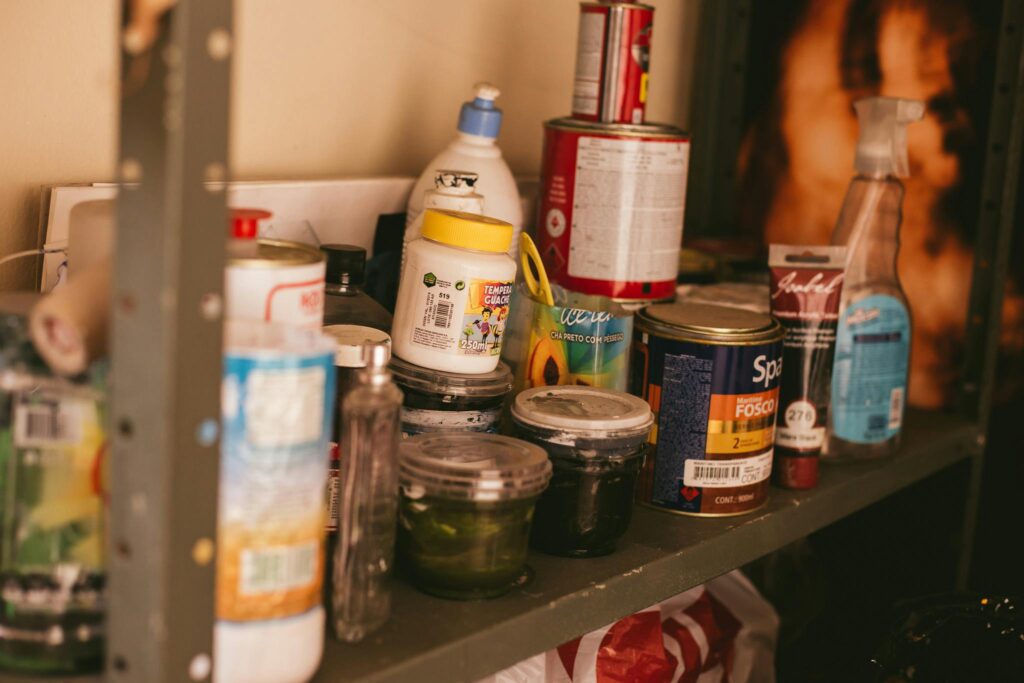
Hazardous Materials & Flammables
- Gasoline, diesel fuel, kerosene
- Propane tanks, compressed gas cylinders, oxygen tanks, scuba tanks
- Paint, paint thinner, varnish, solvents, bleach, acids, corrosives, cleaning chemicals
- Aerosol cans (spray paint, deodorant, hairspray)
- Fireworks, gunpowder, explosives
- Batteries (especially lead-acid, automotive)
- Other flammable or reactive materials (e.g. lighter fluid, charcoal, matches)
Some movers may allow a few of these items under strict conditions (e.g. completely emptied propane tanks, purge certification), but always confirm with your mover.
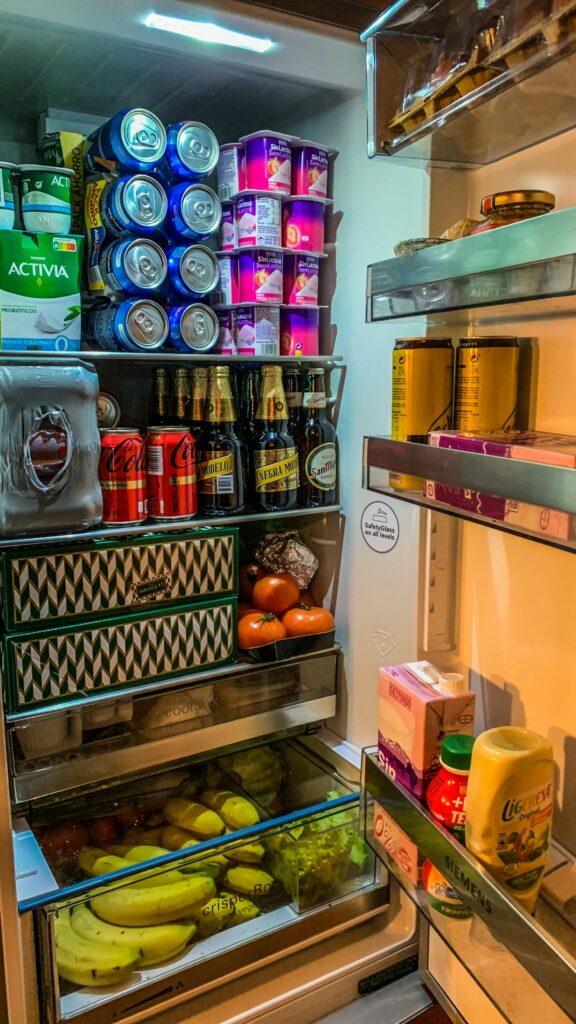
Perishables & Food
Most moving trucks are not climate-controlled, so anything that spoils or leaks is at risk. Movers typically refuse:
- Frozen foods, dairy, fresh produce, meats, bread, leftovers
- Opened sauces, liquids, oils in glass containers (risk of breakage / leakage)
- Anything that needs refrigeration or is perishable
Non-perishables (canned goods, boxed dry items) are generally acceptable, though check with your mover.
Live Plants, Pets & Animals
- Many movers refuse to transport live plants, especially for interstate or long-distance moves, due to pest, regulatory, and damage concerns.
- Most movers won’t transport pets or live animals. The cargo area is unsuitable for animals (no air, unpredictability)
If you must move plants, do so personally or use specialized plant transport services. For pets, use pet relocation or transport them yourself.

High-Value / Sentimental Items & Documents
Movers often exclude items that either have high value or cannot be replaced. Examples include:
- Jewelry, cash, precious metals, collectibles, artworks
- Family heirlooms, photo albums, irreplaceable items
- Important documents (deeds, wills, passports, medical records)
- Stocks, bonds, checkbooks, cash
- Some electronics, depending on value or fragility, may also be excluded or require special packing.
It’s best to carry these yourself.
Firearms, Ammunition & Weapons
- Movers generally will not transport firearms or ammunition due to legal, safety, and regulatory complications.
- Even unloaded guns may be excluded under certain mover policies.
If you must move firearms, check local and interstate laws, and consider licensed shipment or special carriers.
Other Frequently Excluded Items
- Wax candles (may melt)
- Alcohol / liquor (due to state alcohol laws, fragility, or climate)
- Garden chemicals, pesticides, fertilizers, pool chemicals
- Vehicle fuel, motor oil, aerosols
- Compressed gas cylinders, propane, oxygen bottles
Again, each mover may have slight variations — always request their official “items we won’t move” list.
How to Handle Items Movers Refuse
Inventory & early sorting
As early as possible, sort and identify what items movers will not move. Mark them, segregate them, and plan a separate transport or disposal. Use an app like Movana to track your inventory and flag excluded items.
Personal transport or alternate services
- Take high-value, sentimental, document, and jewelry items yourself in a car or carry-on.
- Use specialty or licensed carriers for firearms, antiques, wine collections, etc.
- Use pet transport services for animals.
- Use plant transport or move them yourself with proper containers and care.
Disposal, donation, or sell-off
For hazardous materials or perishable items, your options often include safe disposal (per local regulations), donating unopened goods, or selling/discarding them ahead of time. Many city municipal waste programs accept paints, chemicals, batteries, etc.
Confirm with your mover & get in writing
Request a written list of prohibited items from your mover in your contract or insurance. Review it carefully, and ask about boundary cases (e.g. special electronics, old chemical cans).
Special packing / conditional acceptance
Some items may be accepted under strict conditions (e.g. fully purged scuba tanks, empty propane tanks certified empty). But these are exceptions, not norms. Always verify in writing.

Why This Matters — Risks, Delays & Hidden Costs
Ignoring what items movers will not move can lead to:
- Refusal on move day, causing delays or extra trips.
- Hidden fees or penalties if mover must return items or throw them out.
- Insurance denials if prohibited items cause damage (fire, leaks).
- Loss, damage, or spoilage of sentimental or perishable items.
- Legal or environmental fines for transporting regulated materials.
By proactively knowing the rules, you reduce stress and cost.
Knowing what items movers will not move is essential to a smooth relocation. From hazardous materials and perishable foods to live plants, pets, firearms, and high-value personal items — movers maintain detailed non-allowable lists for very good reason. Plan early, identify these items, transport them yourself or via specialized services, and always validate your mover’s policy in writing.
At Movana, our platform helps you manage your move with clarity — flagging prohibited items, guiding packing checklists, and helping you avoid surprises on move day. Want help visualizing your move and keeping everything organized? Download our app on Google Play or the Apple App Store, or reach out to try our AI-powered moving planner today.

