
Every spring, college move-out turns into a rushed, stressful scramble. Finals end, housing deadlines arrive, and thousands of students try to pack and leave campus within days. Because this surge hits all at once, small breakdowns become big problems. As a result, families juggle logistics, students rush decisions, and storage fills quickly. For a clear overview of the campus move-out process, see https://www.movana.ai/college-move-out.
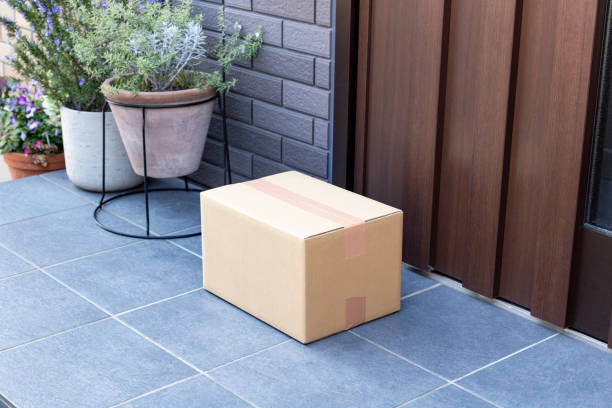
What if that experience felt as simple as returning a package? Amazon returns work because the system sets expectations early, guides users step by step, and provides visibility at every handoff. Therefore, when people return items, they rarely feel confused. However, college move-out still lacks that level of system design. Consequently, stress feels unavoidable. Yet it doesn’t have to be.

Why College Move-Out Still Feels Broken
First, information arrives too late. Students often learn about elevator schedules, loading zones, and deadlines during finals week. Therefore, planning compresses into days instead of weeks. As a result, small delays cascade into missed windows and extra trips.
Second, handoffs lack structure. Boxes move from dorm rooms to cars to storage without consistent tracking. Consequently, students lose visibility over what happens after drop-off. Moreover, families fill gaps with ad hoc coordination. Therefore, the experience depends on who shows up and when.
General planning guides show how much effort move-out already requires when students must coordinate packing, transport, and storage on their own. Consequently, the process becomes a test of endurance rather than a designed experience. Because systems fail to guide each step, friction persists year after year.
What “Amazon Returns Simple” Really Means
Clear Instructions at the Right Time
Amazon returns succeed because instructions arrive before users need them. Therefore, people know what to do before confusion sets in. Similarly, college move-out would improve if campuses shared timelines, loading maps, and storage options weeks in advance. As a result, students would pack in stages. Moreover, parents would schedule support early. Consequently, move-out would feel planned rather than reactive.

Easy Handoffs and Real-Time Tracking
Amazon returns rely on simple handoffs and tracking updates. When users drop off packages, they see confirmation and status changes. Likewise, college move-out would benefit from handoffs that create visibility into student belongings. As a result, students would know when boxes leave campus and when they reach storage. Therefore, uncertainty would drop. Moreover, transparency would build trust during busy weeks.
Predictable Timelines and No Guesswork
Predictability removes anxiety. Amazon returns provide clear timelines for refunds and arrivals. Similarly, college move-out could provide predictable windows for pickup, storage intake, and retrieval. Consequently, families could plan travel without guessing. Because timelines stay visible, students would avoid last-minute scrambles. Therefore, predictability would replace guesswork.
For a clear overview of how Amazon designs its returns flow, see https://www.amazon.com/gp/help/customer/display.html?nodeId=GKM69DUUYKQWKWX7.

What a Frictionless College Move-Out System Could Look Like
A frictionless system would guide students through each step. First, campuses would publish move-out instructions early. Next, handoff points would offer quick scans to confirm receipt. Then, status updates would show where boxes go. As a result, students would experience continuity from dorm room to storage.
This vision already aligns with how Rutgers college move-out handles peak days when access windows tighten (https://www.movana.ai/rutgers-university-move-out). Likewise, Princeton move-out logistics reflect how exam schedules shape departure timing (https://www.movana.ai/princeton-university-move-out). Therefore, a unified system could adapt to each campus while preserving consistent visibility.
Because frictionless design prioritizes user experience, it reduces errors. Moreover, it cuts down on repeated trips. Consequently, both students and families save time. Therefore, a system-first approach improves outcomes without adding complexity.
How This Vision Changes the Experience for Students and Parents
When move-out feels simple, stress falls. First, students pack with confidence. Because they know what to expect, they organize belongings in stages. Next, parents coordinate support without rushing. As a result, families avoid late-night packing sessions.
Campus constraints shape experience. As shown in the Rowan vs Montclair State move-out logistics comparison (https://www.movana.ai/rowan-vs-montclair-state-move-out-logistics), layout and access change how quickly students can load and leave. Therefore, a system that adapts by campus improves equity. Moreover, consistency across campuses builds trust. Consequently, students stop treating move-out as a chaotic rite of passage.
Why Universities Should Care About a Simpler College Move-Out
Universities benefit when move-out runs smoothly. First, congestion drops. When timelines spread and handoffs streamline, traffic eases around residence halls. Next, facilities teams handle fewer emergencies. As a result, staff focus on turnover instead of crowd control.
Campus housing teams already publish move-out logistics to manage flow, such as UCLA’s move-out guidance for students (https://housing.ucla.edu/our-services/move-out). Therefore, universities recognize the problem. However, when systems integrate tracking, handoffs, and timelines, outcomes improve further. Consequently, universities reduce complaints while improving student satisfaction.
Finally, smoother move-out supports retention and reputation. When the last campus experience feels organized, students leave with a positive impression. Therefore, a simple move-out experience becomes part of the overall campus brand.

