
Every spring, college move-out compresses weeks of logistics into days. Finals end, housing deadlines arrive, and students rush to pack and leave campus. Because this surge happens at the same time across residence halls, small breakdowns quickly become big problems. As a result, boxes go untracked, items get misplaced, and families worry about what happens after drop-off. To understand how the campus move-out process typically unfolds, see https://www.movana.ai/college-move-out.
Unlike traditional movers, Movana built systems around visibility, accountability, and care for student belongings. Therefore, instead of treating boxes as anonymous cargo, Movana treats each box as a tracked item within a coordinated system. Consequently, students and parents gain clarity during college move-out, not confusion.
Why College Move-Out Needs Systems, Not Just Trucks
First, college move-out creates peak demand within narrow windows. Because thousands of students leave at once, trucks queue, elevators slow, and loading zones fill. As a result, tracking breaks down when logistics rely on memory or handwritten labels. Moreover, traditional services optimize for transport, not for visibility after drop-off.
Student-focused storage providers note that traditional services were not designed around academic timelines or mass dorm move-outs. Therefore, without systems that account for timing, access, and tracking, mistakes multiply. Consequently, students lose confidence in what happens to their boxes after finals week.
How Movana Tracks Every Student Box

Unique Box Identification and QR Codes
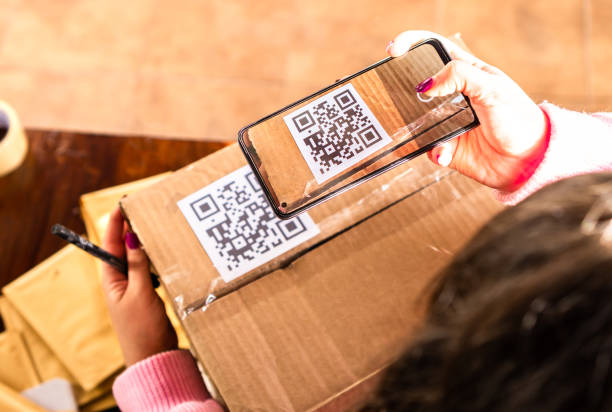
Movana assigns each box a unique identifier and QR code at intake. Because each box receives a distinct code, the system records ownership and destination immediately. As a result, boxes never become anonymous. Moreover, QR codes allow quick scans at each handoff. Therefore, staff update status in seconds, not minutes.
When students hand off boxes during college move-out, scans confirm receipt. Consequently, students know their items entered the system. In addition, scans at storage intake confirm arrival. Therefore, visibility continues after campus departure. Because each scan updates status, students avoid uncertainty about where boxes went.
Real-Time Status Updates for Students and Parents
Tracking only matters when people can see it. Therefore, Movana provides real-time status updates that show when boxes move from campus to storage. As a result, parents stay informed even when they cannot be present. Moreover, students can check status without calling support. Consequently, transparency replaces guesswork.
Because the system logs each scan, Movana maintains a clear chain of custody. Therefore, accountability remains intact from intake through storage. When students return later, they retrieve boxes with confidence. As a result, tracking reduces friction long after finals week ends.
How Movana Insures Student Belongings

Coverage Scope and Claims Process
Insurance matters most during transitions. During college move-out, boxes move through crowded loading zones, elevators, and vehicles. Therefore, coverage provides peace of mind when risk rises. Movana insures student belongings while they move through the system. As a result, families know items carry protection during handling and storage.
The claims process follows clear documentation. Because each box carries an ID, staff reference scans and intake records during reviews. Consequently, resolution becomes faster and more transparent. Therefore, coverage does not feel abstract. Instead, it connects directly to tracked items within the system.
Why Insurance Matters During College Move-Out
Student perspectives show that limited storage options increase anxiety, especially for out-of-state and international students. Because these students face travel constraints, insurance adds reassurance. Moreover, families want to protect belongings when students cannot supervise each step. Therefore, coverage reduces emotional load during stressful weeks.
Insurance also reinforces trust in the process. When students know boxes carry coverage, they feel comfortable handing items over quickly. As a result, move-out flows faster. Consequently, coverage supports both peace of mind and operational efficiency.
How Movana Manages Boxes After Finals Week
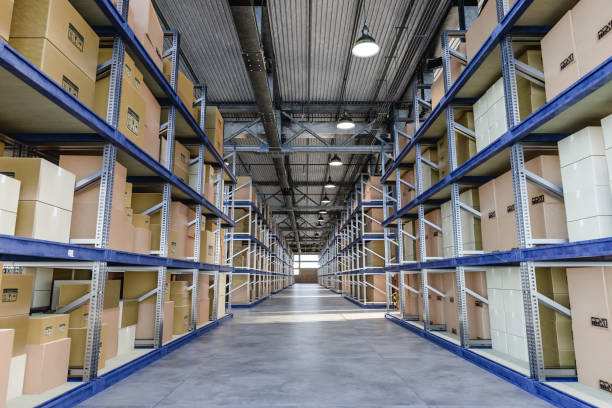
After finals week, management matters as much as transport. Movana coordinates intake, storage placement, and retrieval planning. Therefore, boxes do not disappear into generic units. Instead, staff organize them by student and intake batch. Consequently, retrieval becomes straightforward.
Operational guidance for student housing logistics highlights how coordination reduces congestion and errors during peak transitions. Therefore, Movana aligns staffing and intake schedules with finals-week demand. As a result, queues shorten and errors decline.
This system scales across campuses. For example, at Rutgers college move-out locations, intake peaks during narrow windows. Therefore, Movana schedules additional staff to maintain scan accuracy and placement discipline. See https://www.movana.ai/rutgers-university-move-out for campus context.
Similarly, Princeton move-out logistics require coordination around exam schedules and limited access windows. Therefore, Movana plans intake flows that match campus timing. See https://www.movana.ai/princeton-university-move-out for logistics context.
Because management continues after drop-off, students benefit later. When retrieval begins, staff reference scans and placement records. Consequently, boxes return to the right student without confusion. As a result, management closes the loop from intake through return.
How Movana’s System Differs from Traditional Movers and Storage
Traditional movers focus on transport. Traditional storage focuses on space. However, Movana focuses on systems. Because Movana tracks each box, insures belongings, and manages intake flows, the process stays visible from start to finish. Consequently, students experience continuity instead of handoffs between disconnected services.
Campus constraints also shape logistics. As shown in the Rowan vs Montclair State move-out logistics comparison (https://www.movana.ai/rowan-vs-montclair-state-move-out-logistics), access and layout change how boxes move. Therefore, systems must adapt by campus. Movana’s tracking and management tools allow that adaptation without losing visibility.
Because Movana treats boxes as tracked items within a system, not as anonymous cargo, accountability stays intact. Therefore, parents trust the process. Moreover, students retrieve belongings with confidence. As a result, Movana demonstrates why college move-out needs systems, not just trucks.

