
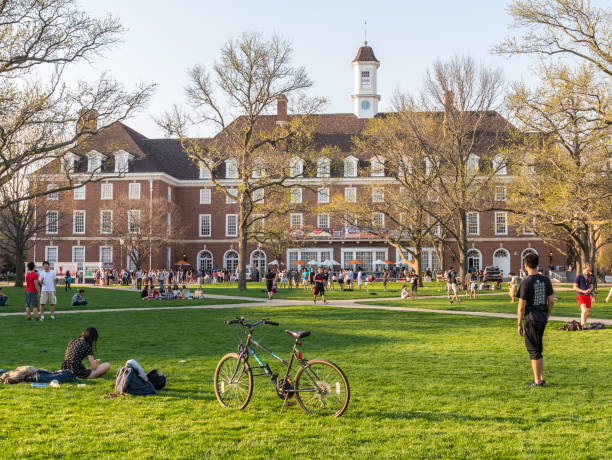
Every spring, college move-out pushes campus operations to their limits. Finals week ends, residence halls close, and thousands of students leave within days. Because this surge hits all at once, small inefficiencies become big problems. As a result, congestion grows, communication breaks down, and families feel the strain. To understand how the campus move-out process typically unfolds, see https://www.movana.ai/college-move-out.
Despite years of experience, many campuses still rely on fragmented systems. Therefore, university move-out feels reactive rather than designed. However, expectations have changed. Students now expect clear instructions, simple handoffs, and visibility across each step. Consequently, the future of university move-out will favor campuses that redesign the experience with systems, not just schedules.

Why University Move-Out Is Due for a Redesign
University housing teams already publish logistics to manage flow. For example, campus pages outline elevator schedules, parking rules, and deadlines. However, these guides often arrive late. Therefore, students plan under pressure. As a result, small delays cascade into long lines and missed windows.
Moreover, move-out depends on ad hoc coordination between housing, facilities, and families. Consequently, each handoff introduces friction. Because processes vary by residence hall, students receive mixed signals. Therefore, confusion persists even when information exists. As expectations for digital-first experiences rise, fragmented move-out feels outdated.
What the Future of University Move-Out Will Look Like
Early Planning Built Into Academic Calendars
The future of university move-out starts with early planning. When campuses publish move-out timelines weeks before finals, students plan in stages. As a result, packing spreads out. Moreover, families schedule support early. Consequently, congestion drops during peak days.
General planning guides already show the steps students take to coordinate packing, transport, and storage. Therefore, campuses can integrate these steps into official calendars. When planning aligns with academic milestones, move-out becomes predictable rather than frantic.

Digital Tracking and Transparent Handoffs
Digital tracking will anchor modern move-out systems. When students hand off boxes, scans confirm receipt. As a result, visibility replaces guesswork about student belongings. Moreover, transparent handoffs reduce disputes because each step leaves a record.
Modern UX sets the bar. Amazon returns demonstrate how clear handoffs and status updates reduce confusion. Therefore, campuses can borrow proven patterns: simple instructions, confirmation at each step, and predictable updates. Consequently, move-out feels coordinated rather than chaotic.
Predictable Timelines and Campus Coordination
Predictable timelines remove anxiety. When campuses coordinate access windows across residence halls, students avoid bottlenecks. Moreover, facilities teams manage traffic flows with fewer surprises. Consequently, campus operations improve alongside student experience.
Because coordination spans housing, facilities, and storage partners, future systems will centralize scheduling. Therefore, teams act from a shared plan. As a result, congestion falls and throughput rises. When systems align, the campus benefits operationally.
How Modern Move-Out Systems Improve Student Experience
Modern systems improve experience by removing uncertainty. First, students gain visibility into where boxes go. Consequently, retrieval becomes easier later. Next, parents receive timely updates. Therefore, families worry less when they cannot be present. In addition, digital confirmations replace verbal assurances, which reduces confusion.
Visibility into student belongings also improves accountability. When each handoff leaves a record, students trust the process. Consequently, they move faster through drop-off points. As a result, queues shorten and stress drops.
Moreover, modern systems standardize experience across residence halls. Therefore, students receive consistent instructions regardless of building. Consequently, equity improves because no hall benefits from better logistics than another.
Why Schools Benefit from Rethinking University Move-Out
Schools benefit when move-out runs smoothly. First, congestion drops around residence halls. Consequently, safety improves during peak days. Next, facilities teams handle fewer emergencies. As a result, staff focus on turnover instead of crowd control.
In addition, smoother move-out improves satisfaction scores. When the final campus experience feels organized, students leave with a positive impression. Consequently, reputation improves among families. Moreover, efficient move-out reduces wear on facilities because traffic flows better. Therefore, maintenance teams face fewer last-minute repairs.
Finally, redesigned move-out supports long-term planning. When campuses collect data on peak times and handoffs, they improve future operations. Consequently, each year becomes smoother than the last.

What This Means for New Jersey Universities
For Rutgers college move-out, scale creates pressure across campuses. Therefore, early planning and digital tracking would reduce congestion during peak windows. When Rutgers coordinates access windows by residence hall, queues shorten and staff gain predictability.
For Princeton move-out logistics, exam schedules shape departures. Therefore, integrated planning would align access windows with finals. As a result, students avoid choosing between studying and packing.
Across Rowan vs Montclair State move-out logistics, campus layout changes access constraints. Therefore, a standardized digital system would adapt instructions by campus while preserving consistent handoffs. Consequently, students across New Jersey would experience predictable move-out, regardless of campus design.

