
The College Move-Out Problem Nobody Talks About
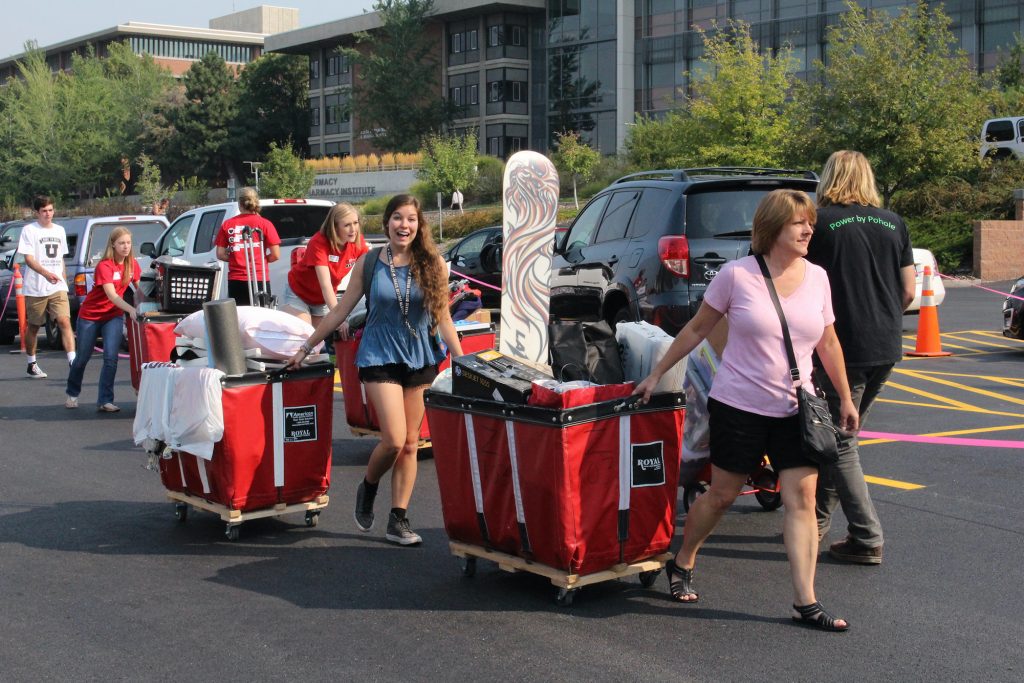
Every spring, tens of thousands of college students pack up their dorm rooms and leave campus for the summer. On the surface, college move-out seems simple—put belongings in boxes, load a car, and go home. In reality, college move-out is one of the most broken logistics systems in higher education.
Students are overwhelmed. Parents are frustrated. Universities are strained. And yet, the process barely changes year after year.
This is the college move-out problem nobody talks about.
Why College Move-Out Is Broken for Students and Parents
The modern college experience has evolved—students own more, campuses are denser, and academic calendars are tighter. But the college move-out process hasn’t evolved with it.
According to data from the National Center for Education Statistics, more than 60% of U.S. college students live in on-campus housing at some point during their education. That means millions of students face dorm move-out every year.
Yet there is:
- No standardized move-out system
- No centralized storage solution
- No inventory tracking
- No coordination between students, parents, and service providers
As The New York Times has noted in its coverage of college housing logistics, universities often prioritize move-in while treating move-out as an afterthought.
The Hidden Logistics Behind Dorm Move-Out
Finals Week + Move-Out = Guaranteed Chaos
College move-out typically overlaps with final exams, creating a perfect storm. Students are studying, working, and trying to pack—all within a narrow window defined by housing contracts.
At large public universities like Rutgers, where dorm populations exceed 16,000 students, this creates traffic congestion, elevator bottlenecks, and logistical breakdowns across campus.
Universities rarely provide:
- Flexible timelines
- On-site storage coordination
- Clear communication for parents
Why Parents End Up Solving a Student Problem
Search trends from Google Trends show spikes in queries like:
- “college move-out for parents”
- “how to store college dorm stuff”
That’s because parents often become the default problem-solvers—renting trucks, booking storage units, or driving hours just to move boxes for a few months.
As The Wall Street Journal has reported, summer storage costs for college students can easily exceed $500–$1,000, often for items students won’t touch until August.

How College Move-Out Works at Large Universities
Rutgers University Move-Out: Scale Without Infrastructure
Rutgers operates across multiple campuses with tens of thousands of residential students. During move-out:
- Parking access is limited
- Storage fills up weeks in advance
- Students are left coordinating individually
Search behavior reflects this confusion. Terms like “Rutgers move-out process” and “Rutgers dorm move-out” spike every April and May.
The problem isn’t effort—it’s lack of centralized logistics.
Princeton University Dorm Move-Out: Different Campus, Same Problems
Princeton’s dorm population is smaller (~7,800 students), but the challenges remain:
- Tight academic schedules
- International students needing summer storage
- Limited local storage options
Students search for “Princeton dorm move-out storage”, while parents scramble for short-term solutions. Prestige doesn’t eliminate logistical friction.
Why Traditional Moving and Storage Fail College Students
Traditional movers are designed for:
- Apartments
- Houses
- Long-distance relocations
College move-out is different.
Students don’t need:
- Full-service household moves
- Long-term storage contracts
They need:
- Box-level tracking
- Short-term storage
- Predictable pricing
- Minimal coordination
As Forbes has highlighted in coverage of logistics technology, legacy moving systems struggle because they lack inventory visibility and real-time coordination—two things college move-out desperately needs.
What a Modern College Move-Out System Should Look Like
If college move-out were designed today, it would:
- Track every box digitally
- Allow students to catalog items visually
- Coordinate storage automatically
- Reduce parent involvement
- Integrate with university housing timelines
This is where technology—not more manual labor—becomes the solution.
Just as Amazon transformed returns logistics, college move-out requires a system built for volume, predictability, and transparency.
College Move-Out Isn’t Just a Student Problem—It’s a System Problem
College move-out impacts:
- Students trying to finish finals
- Parents managing logistics from afar
- Universities managing space and traffic
- Storage facilities overwhelmed seasonally
Until college move-out is treated as infrastructure—not an inconvenience—the problem will repeat every spring.
The good news? Systems can change. And when they do, college move-out doesn’t have to be broken.

